

Table of Contents
ToggleThe best sustainable technology in 2025 is reshaping how people live, work, and consume energy. From solar panels on rooftops to electric vehicles on highways, green innovations are no longer niche products, they’re mainstream solutions. Governments, corporations, and consumers now prioritize environmental impact alongside performance and cost. This shift has sparked a wave of practical, accessible technologies that reduce carbon footprints without sacrificing convenience. Whether someone wants to lower their energy bills or make eco-conscious choices, sustainable technology offers real options. This guide explores the leading sustainable technologies available today and how to select the right ones for specific needs.
Key Takeaways
- The best sustainable technology in 2025 balances environmental benefits with practical performance, matching or exceeding conventional alternatives in price and capability.
- Solar panel efficiency now exceeds 22%, and installation costs have dropped over 70% since 2010, making renewable energy accessible to more households.
- Electric vehicles deliver 250-350 miles per charge, while e-bikes offer the best sustainable technology option for short urban commutes at a fraction of car ownership costs.
- Smart home upgrades like LED lighting and smart thermostats can reduce energy consumption by 10-75% with minimal upfront investment.
- Start with low-cost, high-impact changes like LED bulbs and low-flow fixtures, then phase in larger investments like solar panels and EVs over time.
- Always calculate total cost of ownership and factor in federal tax credits and rebates, which can offset 30% or more of initial sustainable technology costs.
What Is Sustainable Technology?
Sustainable technology refers to products, systems, and processes designed to minimize environmental harm while meeting human needs. These technologies reduce resource consumption, lower emissions, and often rely on renewable inputs rather than finite materials.
The core principle is simple: meet present demands without compromising future generations. Sustainable technology achieves this through energy efficiency, waste reduction, and cleaner production methods.
Some key characteristics define sustainable technology:
- Reduced carbon emissions – Products generate fewer greenhouse gases during manufacturing and use.
- Renewable resources – Systems draw power from solar, wind, or other replenishable sources.
- Longevity and recyclability – Designs prioritize durability and end-of-life recycling.
- Lower resource intensity – Manufacturing processes use less water, energy, and raw materials.
Sustainable technology spans multiple sectors. Energy, transportation, construction, agriculture, and consumer electronics all feature green alternatives. The best sustainable technology balances environmental benefits with practical performance, nobody wants an eco-friendly product that doesn’t actually work well.
In 2025, sustainable technology has matured significantly. Early adopters once paid premium prices for limited functionality. Today’s options often match or exceed conventional alternatives in both price and performance. This accessibility explains why sustainable technology adoption continues to accelerate globally.
Top Sustainable Technologies Making an Impact
Several categories of sustainable technology stand out in 2025. Each addresses different environmental challenges while offering tangible benefits for users.
Renewable Energy Systems
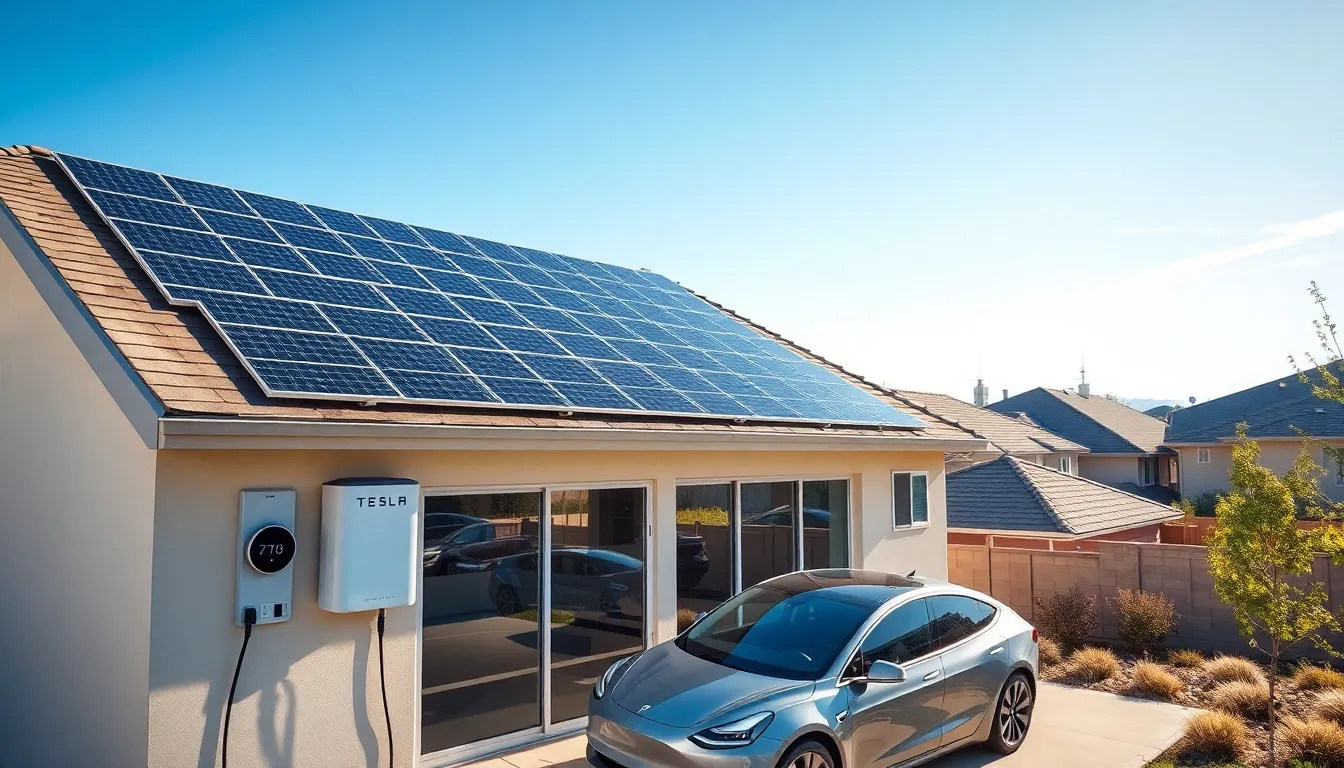
Renewable energy represents the backbone of sustainable technology. Solar panels, wind turbines, and battery storage systems allow homes and businesses to generate clean electricity.
Solar technology has improved dramatically. Modern panels convert sunlight to electricity at efficiencies exceeding 22%, up from around 15% a decade ago. Installation costs have dropped by over 70% since 2010, making residential solar accessible to middle-income households.
Home battery systems like the Tesla Powerwall store excess solar energy for nighttime use. These batteries extend the value of rooftop installations and provide backup power during outages.
Small-scale wind turbines suit rural properties with consistent breezes. While less common than solar in suburban areas, wind power remains a strong option for specific locations.
Community solar programs let apartment dwellers and renters access renewable energy without installing panels. Subscribers purchase shares in local solar farms and receive credits on their utility bills.
Green Building and Smart Home Solutions
Buildings account for roughly 40% of global energy consumption. Green building technology tackles this issue through better insulation, efficient HVAC systems, and intelligent energy management.
Smart thermostats learn household patterns and adjust temperatures automatically. Products from Nest, Ecobee, and others reduce heating and cooling costs by 10-15% on average.
LED lighting uses 75% less energy than incandescent bulbs and lasts 25 times longer. The upfront cost difference has nearly disappeared, making LEDs the obvious choice for any application.
High-performance windows with multiple panes and low-emissivity coatings keep heat inside during winter and outside during summer. These upgrades pay for themselves through reduced energy bills over time.
Water-saving fixtures represent another sustainable technology category. Low-flow showerheads, dual-flush toilets, and smart irrigation systems cut water consumption significantly without affecting user experience.
Electric and Alternative Transportation
Transportation produces about 29% of U.S. greenhouse gas emissions. Electric vehicles (EVs) and alternative transportation options offer cleaner mobility choices.
EV technology has advanced rapidly. Modern electric cars deliver 250-350 miles of range per charge, plenty for daily commutes and road trips with brief charging stops. Charging infrastructure has expanded too, with over 60,000 public charging stations now operating across the United States.
Electric bikes represent the best sustainable technology for short urban trips. E-bikes outsell electric cars in many markets. They cost a fraction of car ownership and eliminate parking headaches.
Hybrid vehicles bridge the gap for drivers not ready to go fully electric. Plug-in hybrids offer 30-50 miles of electric-only range for local trips while retaining gas engines for longer journeys.
Public transit improvements also count as sustainable technology. Electric buses, light rail expansions, and bike-sharing programs reduce per-capita emissions in cities investing in these systems.
How to Choose Sustainable Technology for Your Needs
Selecting the best sustainable technology requires evaluating personal circumstances, budget constraints, and environmental priorities.
Assess current energy usage first. Review utility bills to identify the biggest consumption areas. Heating and cooling typically dominate residential energy costs, so upgrades there deliver the largest returns.
Calculate total cost of ownership. Sustainable technology often costs more upfront but saves money over time. Solar panels, EVs, and efficient appliances all follow this pattern. Factor in incentives too, federal tax credits, state rebates, and utility programs can offset 30% or more of initial costs.
Match technology to location. Solar works best in sunny regions. Wind power requires open land with steady breezes. EVs need access to home charging or nearby public stations. Local conditions determine which sustainable technology makes practical sense.
Start with high-impact, low-cost changes. LED bulbs, smart power strips, and low-flow showerheads deliver immediate savings with minimal investment. These small wins build momentum for larger projects.
Research product quality and warranties. Not all sustainable technology performs equally. Read reviews, compare specifications, and verify warranty terms before purchasing. Premium products often last longer and perform better, improving lifetime value.
Consider timing and phasing. Major sustainable technology investments don’t need to happen simultaneously. Plan a multi-year upgrade path, perhaps smart thermostats this year, solar panels in two years, and an EV when the current car needs replacement.


